A baby grand piano has a special kind of pull.
People see one and instantly imagine how beautiful it would look in the home.
It feels elegant, serious, and musical before a single note is even played.
That first impression is real.
But once the excitement settles, most buyers start asking the more practical question.
Is it actually worth it for everyday home use?
That is the right question to ask.
A piano can be beautiful and still be the wrong fit for the room, the family, or the way people actually live.
At the same time, the right piano can become one of the most rewarding things you bring into the house.
For some families, a baby grand piano is absolutely worth it.
For others, it is better to admire the idea and choose something more practical.
The key is understanding what you are really buying, and what kind of home life it needs to work well.
Watch the video here!
Why People Fall in Love With the Idea
There is a reason buyers keep coming back to this style.
A baby grand piano does not just sound appealing.
It feels aspirational.
It adds warmth, class, and a sense of occasion to a room in a way very few instruments can.
That matters more than some people admit.
A piano is not only a tool for practice.
It becomes part of the atmosphere of the home.
It changes the mood of the room.
It gives music a visible place in daily life.
This is one reason people start browsing the grand piano collection even when they are not fully sure yet.
They are drawn to the look, but they are also drawn to the feeling of owning something that seems more refined and lasting.
That emotional side should not be ignored.
It is part of the buying decision.
Still, emotion alone should not make the final call.
What a Baby Grand Really Offers at Home
The appeal is not only visual.
A baby grand piano can also offer a very satisfying playing experience.
It gives you the character of a grand-style acoustic instrument in a form that is more realistic for many homes than a larger concert-style model.
That middle ground is exactly why it appeals to so many buyers.
It feels more special than a smaller everyday setup.
At the same time, it usually feels more manageable than a larger full grand.
For the right player, that balance can be very attractive.
You get presence.
You get tradition.
You get a stronger sense of musical identity in the room.
For many people, that already explains why the idea keeps coming back even after they look at other categories.
It Still Needs the Right Room
This is where the dream meets reality.
A baby grand piano is smaller than a larger grand, but it is still not a casual fit.
It needs space around it.
It needs thoughtful placement.
And it needs a room where it can feel intentional rather than squeezed in.
That is often the deciding factor.
A lot of buyers love the idea in theory, but once they picture the actual layout of the room, they realize the instrument may dominate the space more than they want.
That does not mean the answer is no.
It just means the room has to earn the piano, not the other way around.
If the instrument makes movement awkward or turns a relaxed family area into a cramped layout, the beauty starts to lose some of its charm.
A piano should add comfort to the home, not tension.
The Playing Experience Feels Different
One reason many serious players still dream of a baby grand piano is the feel.
There is something about sitting at that shape, hearing the sound open into the room, and interacting with the instrument in a more expansive way.
It feels different.
That does not mean an upright cannot be deeply satisfying.
A good upright can sound warm, focused, and wonderful for daily practice.
But the experience is not quite the same.
For some players, the attraction is immediate.
They sit down at a smaller grand-style instrument and simply feel more connected.
That may not matter as much to a total beginner.
It can matter a lot to an advancing student, a returning adult player, or someone who has wanted this experience for years.
That is why the player matters just as much as the room.
It Is Not Just About Sound
A lot of buyers make the mistake of reducing the decision to one question.
Does it sound better?
That is too narrow.
A baby grand piano changes much more than sound.
It changes how the room feels.
It changes how the player relates to the instrument.
It changes the emotional weight of practice and performance inside the home.
For some households, that matters a great deal.
If music is an active, valued part of family life, the atmosphere created by the instrument may be part of what makes the purchase worthwhile.
For other homes, that added sense of drama may not be necessary at all.
In those homes, a more compact acoustic option can feel more natural.
So the real question is not only about sound quality.
It is about what kind of presence you want music to have in the house.
Family Life Still Has to Work Around It
This point matters a lot.
A baby grand piano can be gorgeous, but family homes still have routines.
There are children moving around, guests coming over, furniture layouts, everyday clutter, and all the realities that do not appear in a showroom photo.
That is why practicality still matters.
Can the instrument live in the room without making everything else harder?
Can the family move comfortably around it?
Will the room still feel warm and usable, or will the piano end up feeling like a large object everyone has to work around?
These questions are not boring.
They are the difference between a purchase that keeps feeling wonderful and one that slowly starts to feel inconvenient.
The more honestly you answer them, the better your decision usually becomes.

For Some Buyers, Upright Still Makes More Sense
This is not the most glamorous part of the conversation, but it is often the most useful.
Sometimes the reason a baby grand piano does not feel worth it is not because it lacks beauty or musical value.
It is because an upright would simply fit the home better.
An upright often gives families the traditional acoustic experience they want without asking quite so much from the room.
That is why it helps to compare both directions properly.
When people look at the upright piano collection, they often realize they can still get a serious and musical home instrument without committing to a larger layout change.
That does not make the grand-style option less attractive.
It just makes the choice clearer.
The best piano is not the one that sounds most impressive in theory.
It is the one that genuinely works in your home.
Cost Is a Real Part of the Decision
We cannot talk honestly about this topic without talking about money.
A baby grand piano usually enters a more serious budget range than the average home piano purchase.
That matters, especially for families who are weighing beauty and aspiration against practical use.
This is where grand piano price starts to feel less like a number and more like a question of value.
Are you paying for something that will genuinely improve your musical life at home?
Or are you paying mostly for the image of ownership?
The answer depends on the buyer.
For someone who will play regularly, enjoys the instrument deeply, and has the right space, the investment may feel completely justified.
For someone who mostly loves the look but is unsure how often it will really be used, the same cost may feel harder to defend later.
That is why price should never be judged in isolation.
It only makes sense when you look at how the instrument will live with you over time.
It Helps to Think Beyond Purchase Day
A lot of piano decisions are made emotionally.
That is normal.
But the smarter buyers imagine life six months later.
They imagine the room after delivery.
They imagine how often the instrument will actually be played.
They imagine whether the excitement will still feel like satisfaction once ordinary life returns.
This is especially important with a baby grand piano because the purchase has a bigger emotional shadow.
It feels like a statement.
And with statement purchases, long-term fit matters even more.
Ask yourself simple things.
Will this still feel right after the novelty fades?
Will the player use it enough to justify the space and cost?
Will the room still feel comfortable?
If those answers feel strong, then the decision becomes much easier.
It Can Be a Wonderful Choice for the Right Home
It is important to say this clearly.
A baby grand piano is not an impractical dream by default.
In the right home, it can be a beautiful and deeply rewarding decision.
It can become the emotional center of a room.
It can encourage more playing.
It can make music feel more present, more visible, and more valued inside the home.
For homes with enough space and buyers with a real connection to the instrument, it can absolutely be worth it.
That is especially true when the piano is not being bought as décor alone.
When it is chosen for real use, real enjoyment, and real musical life, the value becomes much easier to understand.
This is why some families never regret the decision for a moment.
The instrument feels right from the beginning.
And it keeps feeling right as the years go on.
Try It Before You Decide
This is one purchase that becomes much clearer in person.
You can think about dimensions, price, and room layout all day, but once you sit in front of the instrument, hear it, and compare it with other options, the decision often becomes much more honest.
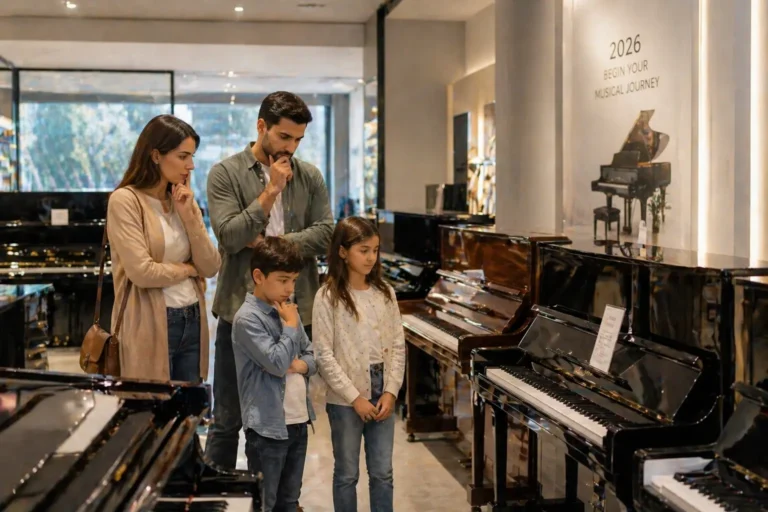
That is why it helps to book a showroom visit before making a final call.
Trying different instruments side by side can quickly show you whether the attraction is just visual or whether the piano genuinely feels right under your hands.
This also helps you compare it against other models in a more grounded way.
Sometimes the baby grand piano confirms exactly what you hoped.
Sometimes another option surprises you and makes more sense.
Either outcome is useful.
Compare It Against the Bigger Picture
A smart buyer does not compare just one instrument against a dream.
They compare it against the alternatives they would realistically choose instead.
That is why looking through the full piano collection can be helpful while you think this through.
When you see uprights, digital options, and grand models within one broader view, you start to understand value more clearly.
You stop asking only, “Do I love this?”
You start asking, “Do I love this enough compared with the other paths available to me?”
That is a much better question.
It brings the decision back to reality without killing the excitement.
So, Is It Worth It?
For the right home, yes.
A baby grand piano can absolutely be worth it for home use if the space is right, the buyer truly values the experience, and the instrument will be played and enjoyed regularly.
For the wrong home, it can become a beautiful idea that never quite feels practical once daily life settles in.
That is why there is no universal answer.
What matters is fit.
If the room welcomes it, the player wants it for the right reasons, and the budget feels comfortable, then the value can be very real.
If one of those pieces is missing, the smarter choice may be something else.
There is nothing disappointing about that.
It is simply good buying.
Final Thoughts
A baby grand piano is worth it when it adds something meaningful to the way you live with music.
That could be a richer playing experience.
It could be a stronger emotional connection to practice.
It could be the simple joy of having an instrument in the room that feels special every time you walk past it.
But it has to work in real life.
That is the part that matters most.
If you want help narrowing it down, you can contact Lotfi Piano and talk through the options in a more personal way.
And if you want to see more instruments and updates from the brand, you can also follow Lotfi Piano on YouTube and Instagram.
FAQs
Is a baby grand piano better than an upright for home use?
Not always.
It can feel more special and visually striking, but an upright may still be the better choice if the room is smaller or daily family life needs something more compact.
Does a baby grand piano need a large room?
It does not need a huge room, but it does need the right room.
The space should allow the instrument to feel intentional and comfortable rather than crowded.
Is grand piano price worth paying for a home setting?
It can be, but only when the instrument fits your home, your budget, and your actual musical goals.
That is where value becomes more important than the number alone.
Who should consider a baby grand piano?
It often suits buyers who have enough space, want a stronger acoustic presence at home, and care deeply about the overall experience of playing and living with the instrument.
What should I do before buying one?
Compare it against other realistic options, think carefully about the room, and try it in person before deciding.