

Buying a piano should feel exciting.
For many families and learners, the search becomes more focused the moment one brand starts standing out.
That is usually when Yamaha begins to feel like the safest and most sensible direction.
There is a good reason for that.
People know the name.
Teachers trust it, parents recognize it, and first-time buyers often feel more comfortable starting with something that already has a strong reputation.
Still, brand comfort should not replace careful thinking.
The right instrument depends on the player, the room, the budget, and whether you are buying for a short first step or a much longer journey.
Watch the video!
Start With the Player, Not the Label
This is always the best place to begin.
A child taking first lessons needs something different from an adult returning to music after years away.
A serious student may also need something different from a family that simply wants a musical presence at home.
That is why the right Yamaha model should always be chosen with the actual player in mind.
If the player is very new, comfort and consistency matter most.
If the player is more advanced, response, tone, and long-term satisfaction matter more.
One buyer may be happiest with a practical home setup.
Another may want a more traditional instrument that feels rooted and lasting from the start.
Decide on Digital or Acoustic First
Many buyers look at models too early.
The smarter first question is simpler.
Do you want a digital instrument or an acoustic one?
That choice shapes almost everything else.
If your home needs more flexibility, quieter practice, or a more compact setup, it often makes sense to begin with the digital piano collection and compare what suits your space.
If you already know you want a more traditional feel, then an upright piano is usually the more natural place to start.
That is one reason the brand stays so popular with first-time buyers.
It can make sense in both directions.
Do Not Buy on Reputation Alone
A well-known name can make people relax too quickly.
That is understandable, but it can also lead to lazy buying.
A Yamaha model may have a strong reputation, but you still need to pay attention to the specific instrument in front of you.
How does it feel under the fingers?
How does it sound in the room?
Does it suit the learner, or does it simply sound impressive on paper?
A good name gives confidence.
It should not replace judgment.
The smartest buyers use reputation as a starting point, not the final answer.

Think About New Versus Pre-Owned
This is a very important part of the conversation.
Some buyers feel calmer with something brand new.
Others care more about value and are happy to explore pre-owned options.
Both paths can make sense.
A new instrument can feel reassuring because it begins its life with you.
That fresh start matters to some buyers.
At the same time, many well-chosen used pianos offer excellent musical value and can feel far more satisfying than people expect.
If the idea of pre-owned appeals to you, it helps to compare older instruments with patience instead of dismissing them too quickly.
Condition Matters More Than the Badge
This is especially true when you are comparing older models.
A piano can carry a respected name and still be the wrong purchase if the condition is poor.
That is why every Yamaha instrument should be judged as the actual instrument it is, not just the brand it belongs to.
Listen carefully.
Notice whether the notes feel balanced.
Check whether the keys respond evenly.
Pay attention to the pedals and the overall feel of the action.
A piano should invite the player to stay at the bench.
If it feels uneven, dull, or awkward, that matters more than branding.
Room Size Should Shape the Decision
A piano does not live in theory.
It lives in a real room with furniture, movement, routines, and people.
That is why space matters so much.
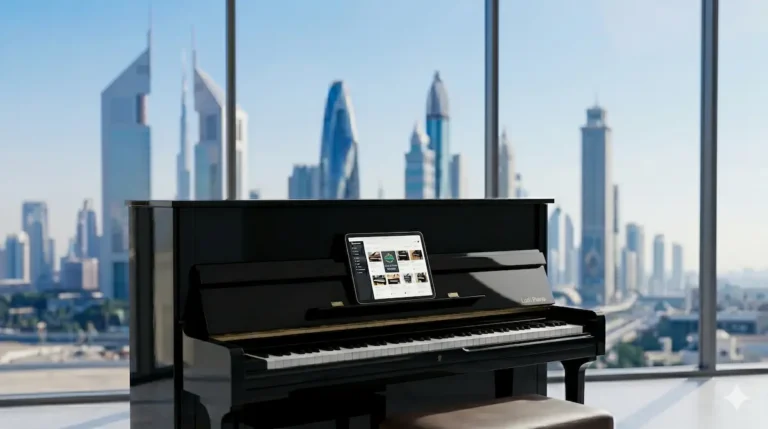
An instrument may look perfect in a showroom and still feel too large or too formal once it arrives at home.
Think honestly about where it will go.
Will it live in a family room, a study, a bedroom, or a more open space?
Will quiet practice matter?
Will the room still feel comfortable after delivery?
A piano that works with the room usually gets used more.
That matters more than first-time buyers often expect.
Think About Yamaha Piano Price Calmly
Money is always part of the decision.
That does not mean you should only chase the cheapest option.
It means the purchase should feel sensible.
A lot of buyers focus on yamaha piano price too early and end up reducing the search to one number.
That can be a mistake.
The better question is not just what it costs.
The better question is what kind of value you are getting for that price.
A piano that feels strong, inviting, and right for the player usually ends up feeling like the better deal.
A cheaper option that feels disappointing can lose its appeal very quickly.
Try the Same Things on Every Piano
When you begin comparing options, keep the test simple.
Play the same notes, the same short melody, or the same basic chords on each instrument.
That is the easiest way to hear real differences.
It also helps you stop reacting to appearance and start reacting to sound and feel.
The instrument should not only look polished.
It should respond in a way that feels pleasing and natural.
Use a soft touch.
Then play a little more firmly.
Notice whether the tone stays balanced and whether the instrument still feels comfortable.
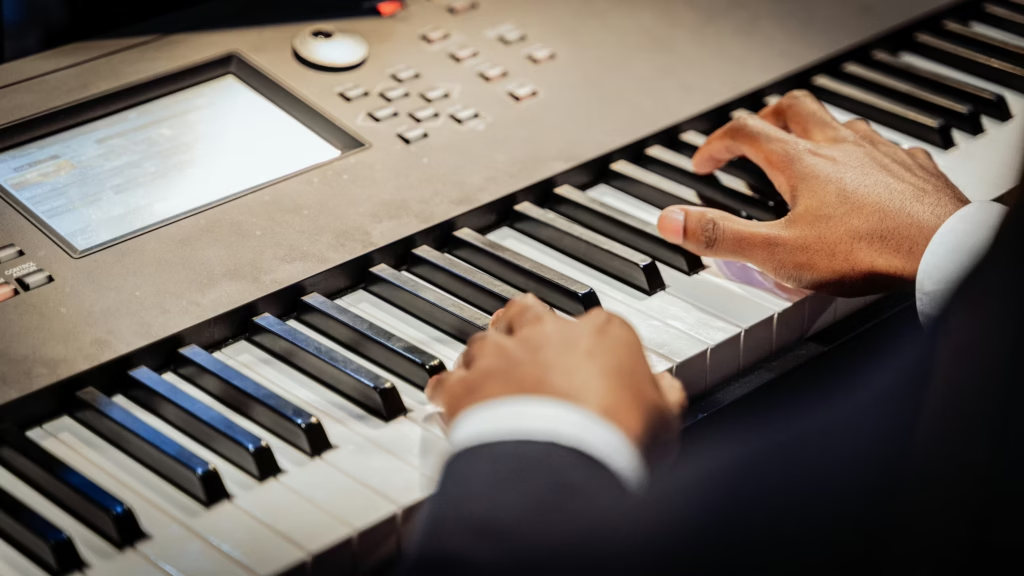
Weighted Keys Matter More Than You Think
Many first-time buyers do not understand this point until they try several options side by side.
Then the difference becomes obvious.
A better instrument feels more grounded under the hands.
That matters because the player is learning from the keys every time they practice.
If the action feels too light or too thin, the whole learning experience can become less satisfying.
This is especially important for beginners.
The first instrument should support good habits, not make learning feel awkward.
That is one reason buyers often feel more settled once they try several options in person instead of guessing from specs alone.
Used Yamaha Models Can Offer Excellent Value
This deserves its own section because many buyers still hesitate here.
The truth is that a used Yamaha can be a very smart purchase.
A pre-owned Yamaha often gives buyers a better balance between quality and budget than they expected when they first started looking.
That does not mean every pre-owned option is automatically good.
Condition still matters.
But when the instrument has been chosen well, the value can be excellent.
For families who want a more traditional feel without pushing straight into the highest spending tier, older acoustic models can be especially appealing.
This is where a lot of buyers begin to understand why pre-owned options stay so popular.
Do Not Ignore the Emotional Side
A piano is a practical purchase, but it is also an emotional one.
That matters.
The instrument you bring home becomes part of the atmosphere of the room.
It shapes how practice feels.
It shapes how often people sit down and play.
That is why the right choice should not only make sense on paper.
It should feel right.
The player should feel drawn to it.
The family should be comfortable with it in the home.
That kind of emotional fit is not something to dismiss.
It often tells you more than another hour of comparing numbers ever could.
Let the Home Routine Guide You
It helps to imagine an ordinary week before you buy.
When will the instrument actually be played?
Will it be used after school, in the evening, or on weekends?
Will younger siblings be nearby?
Will volume matter at certain times of day?
These practical details matter more than buyers sometimes realize.
The piano should support the routine you already live, not create stress around it.
That is one reason some households do better with a digital route and others naturally lean toward a more traditional acoustic setup.
The better fit is the one that works with daily life.
That is what keeps the instrument active instead of ornamental.
Compare Several Options Before Deciding
Even if you think you already know what you want, comparison still helps.
Seeing one instrument in isolation does not tell you enough.
Once you look through the full piano collection, it becomes easier to understand what actually suits your budget and your home.
That wider view helps buyers avoid emotional tunnel vision.
Maybe the model you expected to love feels less convincing in person.
Maybe another one feels much more natural under the hands.
That is normal.
Sometimes the better choice only becomes obvious once several options are in front of you.
If Possible, Try Before You Buy
This is one of the most useful things any buyer can do.
The instrument should be heard, touched, and experienced, not only imagined.
That is why it helps to book a showroom visit before making the final call.
A short visit often answers questions that browsing cannot.
You notice touch more clearly.
You hear sound more honestly.
You understand room size and visual presence much better.
And most importantly, you stop guessing.
That kind of clarity is worth a lot when the purchase matters.
Ask Whether It Still Makes Sense Six Months From Now
This is one of the best final questions.
Forget the first impression for a moment.
Forget the excitement of shopping.
Ask yourself what the instrument will feel like after six months of real use.
Will the player still feel happy sitting down at it?
Will the room still feel comfortable?
Will the purchase still feel sensible?
A good choice usually keeps making sense after the early excitement is gone.
That is what you want.
Not just a good buying moment.
A good ownership experience.
Think About Long-Term Satisfaction
A lot of first-time buyers focus too much on the day of purchase.
That is understandable, but it can be misleading.
The better approach is to think about everyday life after delivery.
Will the piano still feel welcoming when practice becomes routine?
Will it still suit the learner once the first stage of progress has passed?
Will it still feel like a smart use of money when the novelty disappears?
This is where a yamaha piano often appeals to people.
They are not only buying for today.
They are hoping to buy something that still feels dependable months and years later.
That kind of long-term thinking usually leads to better decisions.
Final Thoughts
Buying a yamaha piano should not feel like a rushed decision.
It should feel thoughtful, grounded, and personal.
The right choice depends on the player, the room, the budget, and whether new or pre-owned makes more sense for your situation.
Take the name seriously, but not blindly.
Pay attention to feel, sound, condition, and fit.
That is what turns a popular brand into the right purchase for your home.
If you want help narrowing down the options, you can talk things through with the team on the contact page.
You can also keep up with Lotfi Piano on YouTube and Instagram.
FAQs
Is a Yamaha piano good for beginners?
Yes, it can be an excellent choice for beginners because many buyers find it reliable, comfortable, and easier to trust as a first serious instrument.
Should I buy new or used?
That depends on your budget and what matters most to you.
New can feel simpler, while a strong pre-owned option can offer excellent value.
What should I check first when comparing models?
Start with feel, sound, and overall condition.
Those usually tell you more than appearance alone.
Is Yamaha piano price always worth it?
It can be, but the real question is whether the instrument suits your player, your room, and your long-term goals.
Should I try one in person before buying?
Yes.
That is often the best way to understand which instrument actually feels right.


1 thought on “What to Know Before Buying a Yamaha Piano”