The first thing most buyers ask is simple.
What is the piano price?
That sounds like the right starting point, and in one way it is.
But if you stop there, it becomes very easy to buy the wrong instrument for the right-looking number.
A first purchase should feel sensible, not rushed.
It should suit your home, the person learning, and the way the instrument will actually be used after delivery day.
That is why budgeting for a first piano is not only about finding the lowest piano price.
It is about finding the best balance between cost, quality, comfort, and long-term satisfaction.
A lot of first-time buyers think budgeting means cutting the number down as much as possible.
In reality, good budgeting means knowing where to be practical and where not to compromise too much.
That is the difference between a purchase that still feels right after a year and one that starts to feel like a mistake after a month.
Start With the Player, Not the Product
Before looking at models, ask one honest question.
Who is this for?
A child taking first lessons has different needs from an adult returning to music.
A beginner who is still testing interest may not need the same setup as someone who already knows music will be a serious part of life.
That is why the right budget always starts with the player.
The more clearly you understand the player’s stage, the easier it becomes to judge whether a certain piano price makes sense or not.
Some buyers overspend because they buy for an imagined future.
Others underspend because they buy only for the next few weeks.
The better path sits in the middle.
Think about where the player is now and where they are realistically heading.
That usually gives you a much better budget range than random online numbers ever will.
Your Home Should Help Decide the Budget
A piano is not just bought for the player.
It is bought for the room too.
That matters because a setup that feels right in one home may feel completely wrong in another.
If you live in an apartment, a shared family space, or a home where volume matters, your budget should reflect that.
In many cases, a digital piano makes more financial and practical sense because it is easier to place and easier to live with every day.
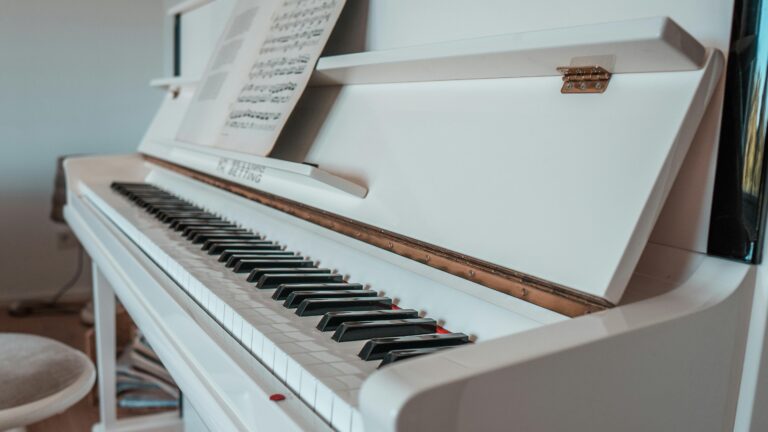
If your home has the space and you want a more traditional feel, an upright piano may be the better long-term fit.
This is where budget becomes more than math.
The right piano price should match the home just as much as it matches the player.
A purchase that makes the room feel awkward can start to feel expensive very quickly, even if the original number looked reasonable.

Do Not Build Your Budget Around the Cheapest Option
This is one of the biggest mistakes first-time buyers make.
They search, see a low number, and immediately feel relieved.
Then the instrument arrives, and the compromise becomes obvious.
Maybe the feel is weak.
Maybe the sound is uninspiring.
Maybe the whole setup starts to feel too limited much sooner than expected.
That is why the lowest piano price is not always the safest choice.
A budget should protect you from overspending, but it should also protect you from buying something disappointing.
That is where many buyers get stuck.
They think budgeting means spending as little as possible.
It usually means spending wisely enough that the instrument still feels worth it later.
Decide Early if You Want Digital or Acoustic
This choice shapes the budget in a major way.
If you do not decide this early, you can waste a lot of time comparing numbers that are not really comparable.
A digital piano often makes more sense for homes that need flexibility, easier placement, and quieter practice.
That usually makes the first budget feel lighter and easier to manage.
An acoustic option often brings a different kind of ownership experience.
It can feel warmer, more traditional, and more rooted in the home.
But it also changes what the total piano price really means, because you are stepping into a different category of ownership from the start.
This does not mean one is always better.
It simply means the budget should reflect the kind of instrument you are actually trying to live with.
Think in Terms of Value, Not Just Cost
This is the mindset that helps the most.
When buyers only focus on cost, they usually become nervous and reactive.
When they focus on value, the decision becomes calmer.
A stronger instrument may not have the lowest piano price, but it may still be the better budget choice if it supports learning well and feels satisfying for years.
A weaker instrument may look attractive at first because the number feels safe.
But if it gets replaced too soon or stops motivating the player, it was not really the cheaper path at all.
Good budgeting is about asking better questions.
Will this instrument still feel right in six months?
Will it still fit the room comfortably?
Will the learner still be happy using it after the novelty wears off?
That is how smart buyers think.
New and Used Should Both Be Part of the Conversation
A lot of first-time buyers make the mistake of deciding too quickly that they only want brand new.
Others do the opposite and only chase used bargains.
Neither extreme is very helpful.
The smarter approach is to compare both.
A good piano for sale in brand new condition can feel reassuring because it gives you a fresh start and a simpler buying experience.
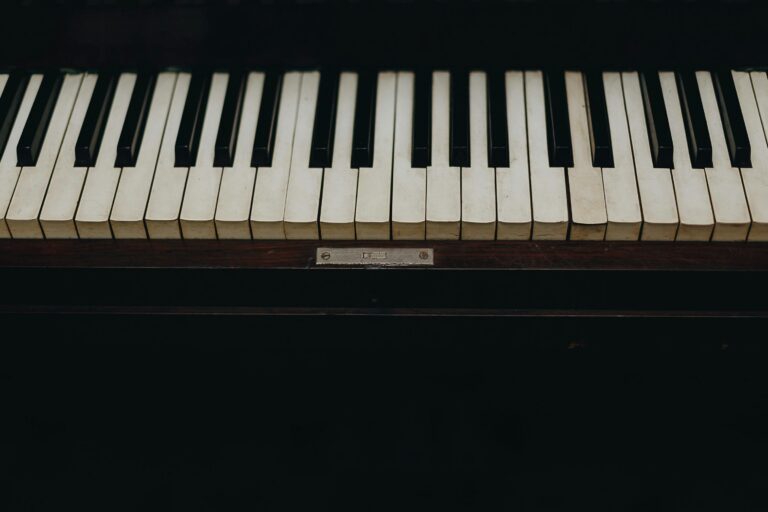
At the same time, well-selected pre-owned options can offer excellent value, especially for families who want stronger musical quality without pushing the budget too far.
This is where the visible piano price can be misleading if you do not compare properly.
A better pre-owned upright may end up being the wiser budget decision than a weaker brand new model chosen only because it feels safer.
That is why budgeting should stay open-minded.
Budget for the Stage You Are In
This sounds obvious, but it gets ignored all the time.
If someone is just beginning, your budget should support a good start.
It should not try to solve every future decision today.
At the same time, if the player is clearly serious and already committed, the budget should reflect that too.
The right piano price for a casual first step is not always the right number for a more dedicated learner.
This is especially important for parents.
A child who is just starting may not need the heaviest possible investment.
But they do need something good enough to support proper learning and regular practice.
That is where thoughtful budgeting matters.
You are not buying for image.
You are buying for the stage the learner is really in now.
Leave Room in the Budget for the Full Setup
Many buyers focus only on the instrument and forget that the complete setup affects comfort too.
The piano itself matters most, of course.
But you also want the whole arrangement to feel natural in the home.
That means placement, seating comfort, and the overall way the instrument fits into the room should be part of your thinking.
This is one reason the real piano price always feels a little larger than the first number on a page.
Even when the instrument itself is right, the full setup still shapes the ownership experience.
A first-time buyer should keep that in mind from the beginning instead of treating everything else like an afterthought.
Be Careful With “Future-Proofing”
This is where many people overspend.
They tell themselves they should buy much more than they currently need just in case the player becomes very serious later.
Sometimes that works out.
Sometimes it only creates pressure and regret.
A budget should allow a little room for growth, but it should still stay honest.
You do not need to buy a dream instrument for a journey that has not fully begun yet.
The smartest first budget usually supports the next stage well without forcing you into an unnecessarily heavy decision.
That is another reason the right piano price is rarely the biggest number you can stretch to.
It is usually the number that feels responsible, calm, and sustainable.

Think About Daily Use, Not Delivery Day
A lot of buyers imagine the excitement of bringing the instrument home.
That is normal.
But the better budgeting question is this: what will ownership feel like after a normal Tuesday?
Will the piano still feel easy to use?
Will it still fit the room?
Will the player still feel drawn to it?
That is where the true value of a purchase becomes obvious.
A good budget is not only about surviving checkout day.
It is about making sure the instrument still feels right in daily life.
That is why the visible piano price should always be tested against real routine.
If the purchase does not fit the way the household actually lives, the number will not feel wise for very long.
Compare Several Options Before Setting the Final Number
Do not lock yourself into a budget before you understand the market a little.
It is much smarter to explore first, then tighten the range.
When buyers look through the full piano collection, they often discover that their first idea of the budget was either too narrow or not realistic enough.
That is useful.
It helps you budget from a place of understanding instead of fear.
Once you have seen what different categories and conditions look like, the right piano price range becomes much easier to recognize.
This is one reason comparison is so valuable.
It helps remove guesswork.
A Calm Budget Usually Leads to a Better Decision
When buyers panic about money, they often rush.
They grab the first number that feels “safe” and hope it works out.
When buyers become too ambitious, they can talk themselves into something that feels exciting at first and stressful later.
The best budget usually feels calm.
It leaves you feeling clear, not squeezed.
It lets you compare properly.
It gives you enough quality to make the purchase worthwhile.
And it still respects the reality of your home and your finances.
That is the kind of budgeting that leads to a first piano you can feel good about.
Not only on the day you buy it, but long after that.
If Possible, Try the Shortlist in Person
Budgeting gets much easier once you stop imagining and start comparing real instruments.
A player may think they need a certain category until they sit down and try several options.
Then everything becomes clearer.
That is why it helps to book a showroom visit once you have a rough range in mind.
Trying a few models in person often shows very quickly which options feel worth their number and which ones do not.
That kind of clarity is extremely useful.
It can save you from both overspending and underbuying.
What I Would Recommend for Most First Buyers
For most first-time buyers, I would keep it simple.
Start with the player.
Be honest about the room.
Decide whether digital or acoustic makes more sense.
Compare new and used without bias.
Then choose a budget that gives you value instead of just a low number.
If you do that, the piano price usually starts making much more sense.
It stops being a random figure.
It becomes part of a fuller decision about comfort, quality, and long-term use.
That is exactly where you want to be before buying.
Final Thoughts
Budgeting for your first piano should not feel like a guessing game.
It should feel thoughtful.
The right piano price is not always the lowest one, and it is not always the highest one either.
It is the number that fits the player, the home, and the kind of learning journey you are actually preparing for.
That is what makes a first purchase feel smart.
If you want help narrowing down what makes sense for your space and budget, you can talk through the options on the contact page.
You can also follow Lotfi Piano on YouTube and Instagram for more ideas and inspiration.
FAQs
What is a realistic budget for a first piano?
A realistic budget depends on the player, the home, and whether you want a digital or acoustic setup. The best starting point is the one that feels sensible while still supporting proper learning.
Should I choose digital if my budget is limited?
In many homes, yes. A digital piano can be a very practical first step when space and flexibility matter.
Is a used piano a smart budget choice?
Yes, it can be. A well-chosen pre-owned instrument often offers strong value and a more satisfying musical experience than people expect.
Should parents spend more for a child’s first instrument?
Only if the setup truly matches the child’s stage and the family’s long-term goals. The smartest budget is one that supports real learning without becoming unnecessarily heavy.
How do I know if a piano is worth the price?
Think beyond the number. A good purchase should suit the room, support the player, and still feel right after the excitement of buying has passed.